Unveiling the Charm of Bluestone Pavers: A Practical Guide for Homeowners
Bluestone pavers have been gaining popularity among homeowners looking to enhance their outdoor spaces with something sturdy and visually appealing. If you’re thinking about revamping your patio, driveway, or garden path, bluestone might just be the perfect choice. It’s a natural stone that’s not only tough but also adds a touch of elegance to any setting.
In this article, we’ll dive into what makes bluestone pavers special, their benefits, how to install them step by step, maintenance tips, and even a comparison with other options like travertine. By the end, you’ll have a clear idea if bluestone is right for your project. Let’s get started in a simple, straightforward way.
What Are Bluestone Pavers?
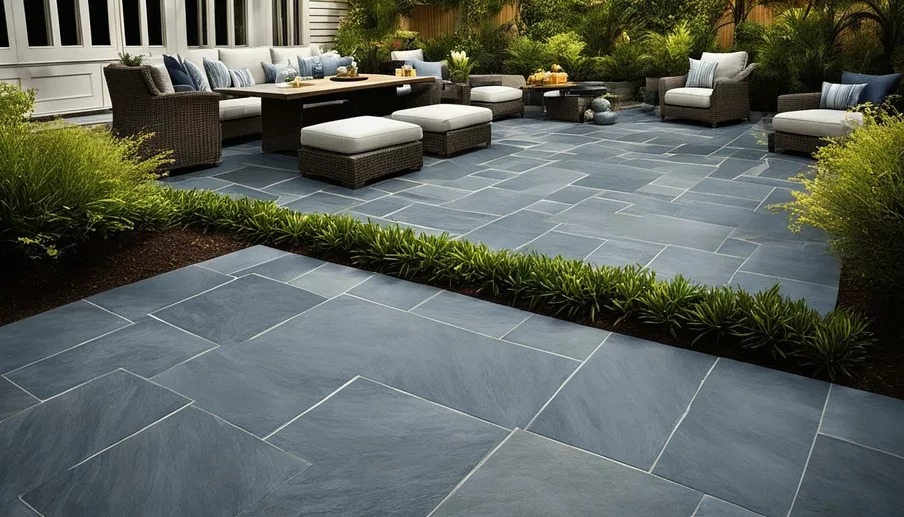
Bluestone pavers are essentially pieces of natural stone cut into flat shapes for flooring and paving purposes. The name “bluestone” comes from its typical blue-gray color, though it can vary to darker shades like black or deep gray. In places like Australia, bluestone is often another name for basalt, a volcanic rock that’s formed over millions of years from cooled lava. This makes it incredibly dense and hard, which is why it’s so popular for outdoor use.
Unlike man-made materials, bluestone has a unique texture with natural patterns and sometimes small holes called “catspaw” on the surface. These holes can range from 5-25% coverage depending on where the stone is sourced—from Australia, China, India, or Europe. It’s available in different finishes, like honed (smooth) or sandblasted (textured), and thicknesses from 10mm to 30mm. Common sizes include 600x300mm or 800x400mm, making it versatile for various designs.
People use bluestone for everything from patios and walkways to pool decks and even indoor flooring. It’s a go-to material because it blends well with modern or rustic styles, giving your space a timeless look without being overly flashy.
Key Features of Bluestone Pavers
What sets bluestone apart are its inherent qualities that make it practical and attractive. Here are some standout features:
- Color and Texture: The blue-gray tones provide a neutral backdrop that complements gardens, pools, or home exteriors. The natural variations and catspaw holes add character, making each paver unique.
- Durability: Being volcanic rock, it’s resistant to scratches, cracks, and weathering. It can handle extreme temperatures and heavy foot traffic without breaking down quickly.
- Slip Resistance: The textured surface offers good grip, especially when sealed, making it safe for wet areas like around swimming pools.
- Versatility in Sizes and Styles: From square tiles to irregular stepping stones or French patterns, you can customize your layout easily.
- Eco-Friendly Aspect: As a natural material, it’s sustainable and doesn’t involve harsh chemicals in production.
These features make bluestone a reliable option for both residential and commercial projects, especially in harsh climates like Australia’s varying weather.
Benefits of Choosing Bluestone Pavers
Opting for bluestone pavers comes with several advantages that go beyond just looks. Let’s break them down in simple terms.
First off, durability is a big win. Bluestone can last for decades with proper care, standing up to daily wear and tear better than some softer stones. This means less worry about replacements, saving you money in the long run.
Another perk is its low maintenance. Once installed and sealed, it doesn’t require much upkeep—just regular cleaning keeps it looking fresh. It’s also cost-effective compared to premium stones; prices start around $39 per square meter, depending on thickness and source.
Safety is key too. The rough texture provides excellent slip resistance, ideal for families with kids or elderly members. Plus, it has good thermal properties—it doesn’t get scorching hot under the sun like some materials, though it can absorb heat in direct sunlight.
Aesthetically, bluestone adds a magical, elegant touch to patios or walkways, blending seamlessly with nature. It’s versatile for indoor-outdoor transitions, and its neutral colors make it easy to match with other elements in your yard.
On the flip side, it’s worth noting some cons: it can be pricey upfront, might stain if not sealed, and could feel slippery when wet without proper treatment. But overall, the pros outweigh the cons for most users.
Step-by-Step Guide to Installing Bluestone Pavers
Installing bluestone pavers isn’t rocket science, but it does require some planning and effort. If you’re handy, you can do it yourself; otherwise, hire a pro. Here’s a simple step-by-step guide using basic tools like a shovel, level, and rubber mallet. We’ll focus on a dry-laid method for patios or walkways, which is common and straightforward.
- Step 1: Plan and Prepare the Area Measure your space and calculate how many pavers you’ll need (area in square feet divided by paver size). Mark the boundaries with stakes and string. Excavate the ground to about 6-8 inches deep, removing grass, roots, and debris. Ensure the area slopes slightly for drainage—about 1/4 inch per foot away from your house.
- Step 2: Create a Solid Base Fill the excavated area with 4-6 inches of gravel or crushed rock. Compact it firmly using a plate compactor or tamper. This base prevents shifting and settling over time. Add a layer of landscape fabric if weeds are a concern.
- Step 3: Add the Setting Bed Spread 1-2 inches of sand or stone dust over the base. Screed it level with a straight board, keeping the slope for drainage. This bed helps the pavers sit evenly.
- Step 4: Lay the Pavers Start from one corner and place the bluestone pavers in your chosen pattern, leaving 1/8 to 1/4 inch gaps for joints. Tap each one gently with a rubber mallet to set it in place. Use a level to check for evenness as you go. Cut pavers with a wet saw if needed for edges.
- Step 5: Fill the Joints and Compact Sweep polymeric sand into the gaps—it hardens when wet to lock everything in. Lightly mist with water to activate it. Compact the entire surface again to settle the pavers.
- Step 6: Seal the Surface Once dry, apply a penetrating sealer to protect against stains and enhance color. Let it cure as per instructions.
This process usually takes a weekend for a small area. For thicker pavers (20-30mm), a wet-laid method with mortar might be better for heavy use. Always wear safety gear like gloves and glasses.
Maintenance Tips for Long-Lasting Beauty
Keeping your bluestone pavers in top shape is easy with a few habits. Regular care prevents issues and extends their life.
- Daily/Weekly Cleaning: Sweep away leaves and dirt with a broom or leaf blower to avoid buildup. Hose down occasionally with water to remove grime.
- Deep Cleaning: Use a mild detergent and soft brush for stains. Avoid harsh chemicals or high-pressure washers that could damage the stone. For tough spots, a diluted vinegar solution (3:1 water to vinegar) works well.
- Sealing: Apply sealer every 1-3 years, depending on exposure. This resists moisture and stains, especially in wet areas.
- Winter Care: In cold climates, use plastic shovels for snow to prevent scratches. Avoid salt-based de-icers that can pit the surface.
- Quick Fixes: If a paver loosens, lift and reset it with fresh sand. Mop up spills immediately to prevent staining.
With these tips, your bluestone will stay beautiful year-round without much hassle.
Bluestone Pavers vs. Travertine: Which One to Choose?
When deciding on pavers, comparing bluestone to travertine is helpful since both are natural stones popular for outdoors. Bluestone is denser and more durable, ideal for high-traffic areas, but it can absorb heat and feel warmer underfoot. Travertine, on the other hand, has a porous texture that’s naturally cooler and offers a more patterned, elegant look with earthy tones.
Price-wise, bluestone often costs more upfront but provides better long-term value due to its strength. Travertine is generally cheaper and has superior thermal properties, staying cool even in hot sun, making it great for pool decks. Both are slip-resistant when sealed, but travertine might need more filling for its holes.
Ultimately, choose based on your climate, budget, and style—bluestone for toughness, travertine for cool elegance.
Conclusion
Bluestone pavers offer a fantastic blend of beauty, durability, and practicality for any outdoor project. From their natural charm to easy installation and minimal upkeep, they’re a smart investment that enhances your home’s value and enjoyment. Whether you’re building a cozy patio or a safe pool area, bluestone delivers reliability without complications. If you’re ready to explore, consider suppliers like Stone Pavers Australia for quality options.