How Social Media Is Redefining Modern Beauty
Social media has become one of the most powerful forces shaping how people view beauty. Platforms like Instagram, TikTok, and YouTube have transformed traditional beauty standards, giving individuals new ways to express themselves and discover trends from around the world. Unlike the past, when beauty ideals were largely dictated by magazines, television, and fashion industries, today’s definitions of beauty are influenced by everyday users, influencers, and diverse online communities.
This shift has created both opportunities and challenges. Social media promotes creativity, diversity, and self-expression, but it also raises concerns about unrealistic expectations and the impact of digital filters. Understanding how social media is redefining modern beauty helps us see both the positive and negative effects of this powerful cultural shift.
Interestingly, just like digital trends require the right tools and maintenance to thrive, even lifestyle comforts like home environments need consistent attention. For example, keeping your home cool and comfortable often relies on services such as valderrama AC and professional hvac repair Houston showing that both fashion and home care thrive with proper upkeep.
The Rise of Digital Beauty Influencers
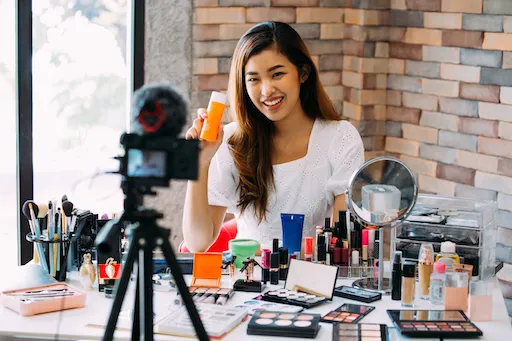
One of the biggest changes brought by social media is the rise of beauty influencers. These individuals share makeup tutorials, skincare routines, fashion inspiration, and lifestyle content with millions of followers. Unlike traditional celebrities, influencers often feel more relatable because they interact directly with their audience through comments, live streams, and personal stories.
Influencers can introduce new beauty trends overnight. A makeup technique or skincare product can go viral within hours, influencing people across different countries and cultures. This rapid spread of trends has created a more dynamic beauty industry where innovation and creativity are constantly evolving.
At the same time, brands collaborate with influencers to promote products, creating a new form of marketing that feels more personal and authentic than traditional advertisements.
Beauty Standards Are Becoming More Diverse
In the past, beauty standards were often narrow and exclusive. Social media has helped broaden these standards by giving visibility to people of different skin tones, body types, ages, and cultural backgrounds.
Today, many creators celebrate natural hair, body positivity, and unique personal styles. This movement encourages people to embrace their individuality rather than conform to a single ideal of beauty. For example, hashtags promoting self-love and inclusivity have empowered users to share unfiltered images and personal journeys toward confidence.
The beauty conversation now includes voices that were historically underrepresented. This shift allows people to see themselves reflected in online content, making beauty feel more accessible and authentic.
The Influence of Filters and Editing Tools
While social media promotes diversity, it also introduces new pressures. Many platforms offer filters and editing tools that can dramatically alter a person’s appearance. Smooth skin, perfect lighting, and reshaped facial features can create unrealistic beauty standards.
These digital enhancements can sometimes lead people to compare themselves with edited images, affecting self-esteem and body image. Studies have shown that constant exposure to idealized online images can increase feelings of insecurity, particularly among younger users.
However, there is a growing movement encouraging transparency. Many creators now openly discuss the use of filters and editing, reminding their audiences that online images often do not reflect real-life appearances.
Beauty Trends Spread Faster Than Ever
Before social media, beauty trends moved slowly through magazines and fashion shows. Today, trends can spread globally within minutes. A hairstyle, makeup look, or skincare routine shared by a popular creator can quickly reach millions of viewers.
For example, short-form video platforms have become hotspots for viral beauty challenges and tutorials. These trends encourage experimentation and creativity, allowing users to recreate looks in their own unique way.
Interestingly, this rapid trend cycle also influences industries beyond beauty and fashion. Even businesses in unrelated sectors observe social media marketing strategies to engage customers more effectively. Companies in various fields, from technology to home services like valderrama AC, pay attention to digital trends because online visibility now plays a key role in brand awareness.
The Rise of Authentic Beauty
One of the most important changes in recent years is the movement toward authenticity. Many users are moving away from heavily edited photos and instead sharing more natural, unfiltered content.
Creators openly talk about skincare struggles, mental health, and the realities behind glamorous photos. This transparency helps audiences connect with influencers on a deeper level and reduces the pressure to appear perfect.
The concept of “real beauty” is becoming more popular as people seek honesty and relatability in the content they consume.
Social Media and the Beauty Industry
The beauty industry has evolved dramatically because of social media. Brands now rely on online communities to launch products, gather feedback, and build relationships with customers.
Product reviews, tutorials, and user-generated content play a major role in shaping consumer decisions. A single viral review can significantly impact the success of a product.
This influence extends even to industries not traditionally associated with beauty. Digital marketing strategies used by beauty brands are studied by businesses across sectors. For instance, service-based companies such as hvac repair Houston providers also recognize the importance of online reputation and social engagement when building customer trust.
The Future of Beauty in the Social Media Era
As technology continues to evolve, social media will likely play an even bigger role in shaping beauty culture. Augmented reality filters, virtual try-on tools, and AI-driven beauty recommendations are already changing how people experiment with makeup and skincare products online.
At the same time, the growing focus on authenticity, inclusivity, and mental well-being may push the industry toward more responsible representation. Platforms and creators are increasingly aware of the impact their content can have on audiences.
The future of beauty may not revolve around perfection but rather around individuality and self-expression.
Conclusion
Social media has fundamentally transformed the way people understand and experience beauty. By amplifying diverse voices, encouraging creativity, and accelerating global trends, digital platforms have made beauty more inclusive and dynamic than ever before.
However, the influence of filters and curated content reminds us that online images do not always represent reality. As users become more aware of these effects, the conversation around beauty continues to evolve toward authenticity and self-acceptance.
Ultimately, social media is not just redefining beauty standards—it is reshaping how individuals see themselves and how they express their identity in a connected world.