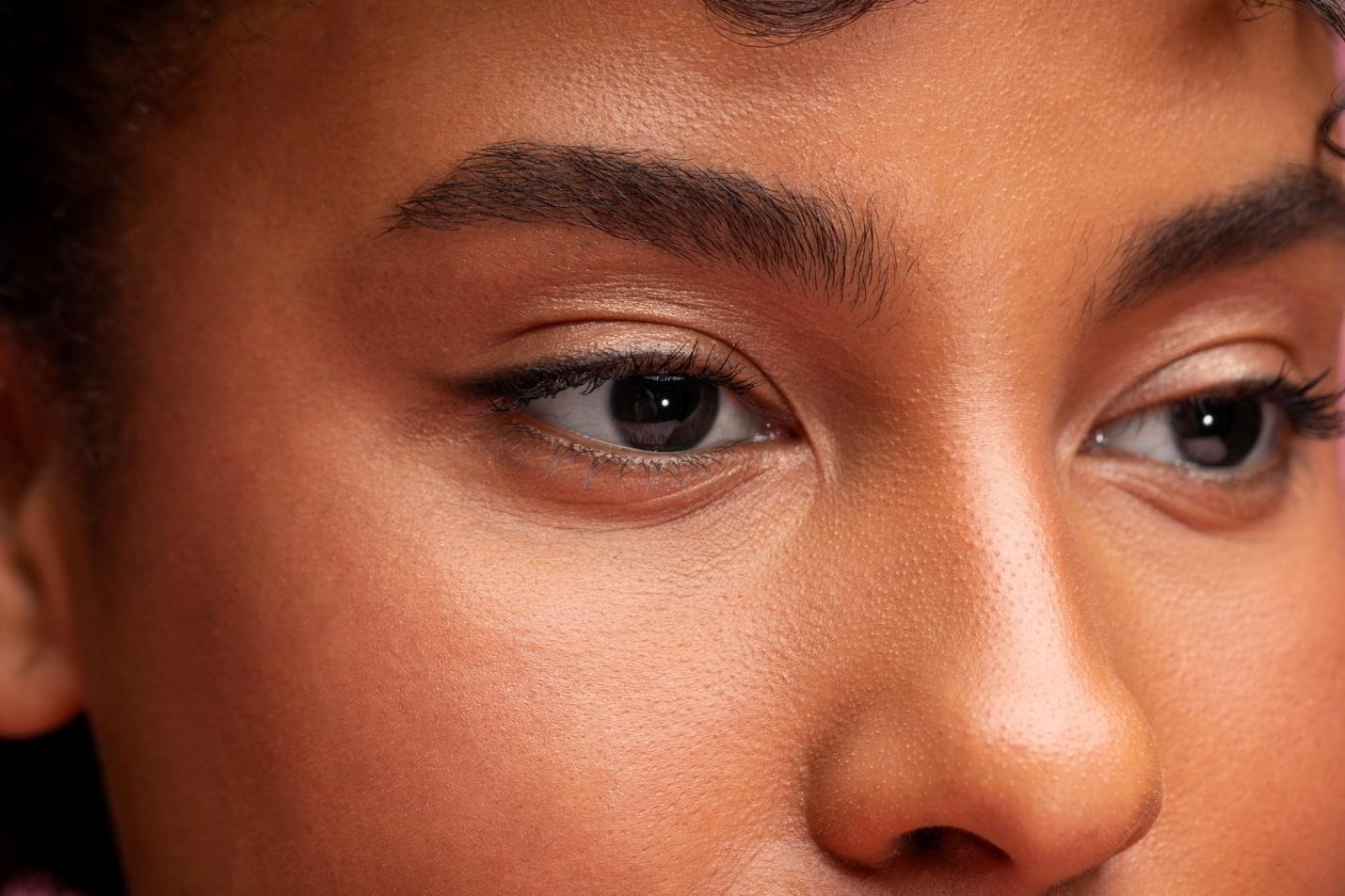
How Eye Shape Trends Evolve in the Beauty World
The beauty industry’s obsession with eye shape reveals fascinating patterns about cultural values, celebrity influence, and the intersection between makeup artistry and cosmetic medicine. What society considers the “ideal” eye shape has shifted dramatically over the decades—from the heavily lined cat eyes of the 1960s to the soft, romantic looks of the 1990s, and now to today’s emphasis on lifted, open eyes. These aesthetic preferences don’t exist in isolation; they reflect broader beauty standards, technological capabilities, and the increasing normalisation of both cosmetic enhancement and acceptance of diverse beauty.
Understanding how eye shape trends evolve provides insight into the beauty industry’s mechanisms, whilst helping individuals navigate the difference between fleeting fashions and enhancements that genuinely suit their features. The history of eye beauty demonstrates that whilst specific trends come and go, certain fundamental preferences—symmetry, proportion, and the appearance of youthfulness—remain relatively constant even as the methods to achieve them become increasingly sophisticated.
The Cultural Drivers Behind Eye Shape Ideals
Eye shape preferences often correlate with which celebrities or cultural figures dominate popular consciousness during particular periods. The 1960s popularised the wide-eyed, doe-like look epitomised by models like Twiggy, achieved through dramatic lower lash emphasis and pale eyeshadow, creating the illusion of larger, more rounded eyes. The 1980s brought more angular, dramatic shapes reflecting the decade’s excess aesthetic. The 1990s favoured minimalist, natural eye looks that emphasised individual features rather than dramatic alterations.
Contemporary eye shape trends reflect the influence of social media, K-beauty aesthetics, and celebrity culture. The “fox eye” trend that dominated 2019-2021 demonstrated social media’s power to rapidly disseminate specific aesthetic ideals, with the lifted, elongated eye shape achieved through makeup techniques, temporary procedures, and in some cases, surgical intervention. This trend sparked important conversations about cultural appropriation, as the aesthetic borrowed heavily from features common in Asian populations without acknowledging those origins.
Current trends emphasise what’s termed “bright” or “open” eyes—the appearance of being well-rested, alert, and youthful. This manifests in techniques ranging from strategic concealer placement and highlighting to more permanent interventions. The preference reflects contemporary values prioritising productivity, wellness, and the appearance of effortless vitality, even as lifestyles involve insufficient sleep and high stress.
The Makeup Technology That Enables Trends
Advances in cosmetic formulations and tools directly enable certain eye shape trends. The liquid eyeliner precision that made sharp cat-eye flicks ubiquitous in the 2010s wouldn’t have been possible with the cake eyeliners of earlier decades. Similarly, contemporary trends emphasising subtle gradients and seamless blending rely on eyeshadow formulations and brush technologies unavailable to previous generations.
The social media tutorial culture has democratised advanced makeup techniques that previously required professional application. Techniques like “cut crease,” “halo eye,” and various liner shapes that visually alter eye proportions spread rapidly through platforms like Instagram, TikTok, and YouTube. This accessibility means eye shape trends now cycle faster than in pre-internet eras, when magazine editorials and professional makeup artists gatekept advanced techniques.
The temporary nature of makeup allows experimentation with trends without permanent commitment—you can try the elongated “fox eye” today and the rounded “puppy eye” tomorrow. This fluidity enables trend-driven beauty enthusiasts to participate in aesthetic movements whilst maintaining flexibility as preferences evolve. However, the temporary nature also means constant reapplication and skill development, which some find exhausting rather than empowering.
When Trends Move Beyond Makeup
As certain eye shape ideals persist beyond fleeting trends, some individuals seek more permanent solutions through cosmetic procedures. The spectrum ranges from semi-permanent options like lash extensions and lifts through injectable treatments to surgical interventions. This escalation reflects both the normalisation of cosmetic enhancement and frustration with the daily effort required to achieve trendy eye shapes through makeup alone.
Non-surgical options have proliferated alongside trending eye shapes. Botox for brow lifting creates the elevated, arched brow associated with youthful, open eyes. Strategic filler placement can address hollowing that makes eyes appear tired. Thread lifts promise subtle lifting without surgery, though results vary and duration remains limited.
Blepharoplasty—surgical eyelid modification—has evolved from addressing functional concerns or obvious ageing signs to encompass aesthetic refinements that reflect contemporary beauty standards. Upper blepharoplasty addresses drooping eyelids or excess skin that creates a tired appearance, whilst lower blepharoplasty addresses under-eye bags. Double eyelid surgery, creating a visible crease in upper lids that naturally lack one, remains one of the most common cosmetic procedures globally, reflecting persistent aesthetic preferences for certain eye shapes despite evolving makeup trends.
The decision to pursue surgical intervention versus embracing natural features is deeply personal, influenced by cultural context, individual insecurity, and practical considerations. The increasing technical sophistication of these procedures—with faster recovery times and more natural results—makes them accessible to broader demographics than in previous decades, when results often appeared obviously surgical.
The Social Media Effect on Eye Shape Standards
Instagram, TikTok, and similar platforms have fundamentally altered how eye shape trends develop and spread. Filters that digitally modify eye size, shape, and position create unrealistic standards that users then attempt to replicate through makeup or procedures. The “Instagram face”—characterised by large, slightly elongated eyes, elevated brows, and minimal under-eye shadowing—represents an algorithmic average of features that photograph well rather than an organically developed aesthetic ideal.
This digitally influenced standard poses particular challenges because the features may be impossible to achieve on actual human faces without extensive intervention. Makeup artists report that clients bring filtered photos as reference images, which require difficult conversations about realistic expectations. The disconnect between digital manipulation and physical reality drives some individuals toward increasingly aggressive interventions, as they chase standards that exist primarily in edited photographs.
Simultaneously, social media has enabled counter-movements celebrating diverse eye shapes and natural features. Influencers building audiences around unconventional features demonstrate that commercial success doesn’t require conforming to narrow beauty standards. This creates competing pressures—trend-driven content pushing specific ideals, whilst diversity-celebrating content validates natural variation.
The Pendulum of Natural Versus Enhanced
Beauty trends oscillate between celebrating natural features and pursuing dramatic enhancement. The early 2020s saw simultaneous trends toward both extremes: the “clean girl aesthetic” emphasising minimal makeup and natural beauty, whilst cosmetic procedure rates continued climbing. This apparent contradiction reflects market segmentation where different demographics pursue divergent aesthetic philosophies.
The natural movement represents both genuine philosophical shifts toward self-acceptance and savvy marketing repositioning expensive skincare and “subtle” procedures as more authentic than obvious enhancement. The reality is that many “natural” beauty influencers have undergone procedures creating features they then maintain through minimalist makeup routines—the naturalness is partially constructed through prior intervention.
This creates challenging terrain for individuals determining their own relationship with enhancement. The pressure isn’t simply toward obvious procedures but toward achieving “naturally perfect” features that may require intervention to attain. The goal becomes appearing effortlessly beautiful rather than obviously enhanced, though the effort and investment required often exceed that of more dramatic, acknowledged enhancement.
The Future of Eye Shape Aesthetics
Emerging technologies will continue influencing how eye shape trends develop and how individuals pursue them. AI-powered apps that show users how different eye shapes would look on their faces enable virtual experimentation before committing to procedures. Advances in temporary procedures—longer-lasting injectables, more sophisticated thread techniques—provide a middle ground between daily makeup and permanent surgery.
The beauty industry’s increasing acknowledgement of diverse beauty may gradually expand the range of eye shapes considered attractive, moving away from narrow ideals toward celebrating variation. However, this optimism must be tempered by recognition that beauty standards have always claimed to celebrate diversity whilst often promoting relatively narrow ideals.
What remains certain is that eye shape trends will continue evolving, influenced by technology, celebrity, culture, and the eternal human desire to feel attractive according to contemporary standards. The key lies in engaging with these trends thoughtfully—understanding their origins, recognising their limitations, and making enhancement decisions that reflect personal preferences rather than simply chasing fleeting fashions that will inevitably give way to the next aesthetic obsession.