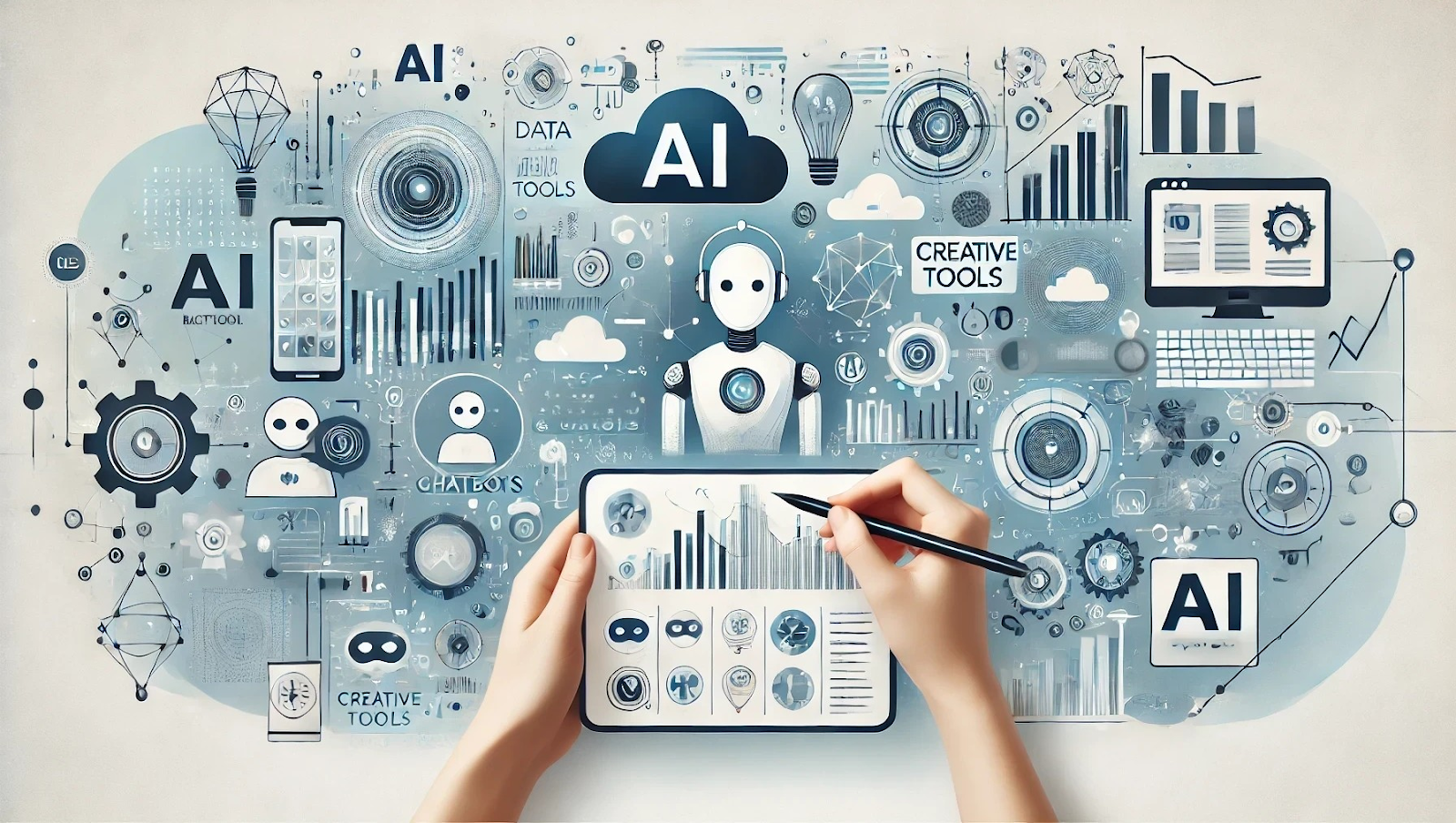
From outsourcing to AI-Powered product studio: Rethinking how digital products are built
The real disruption in software development today is not that AI is replacing developers. It is that AI is changing what businesses expect from their technology partners. For years, outsourcing has been the dominant model. Companies defined requirements, vendors executed them, and success was measured by whether the product was delivered on time and within scope. This model worked well in a more stable environment. But in today’s fast-moving digital landscape, it is starting to show clear limitations.
The limits of traditional outsourcing
Traditional outsourcing is built around execution. Teams follow predefined specifications, with limited involvement in product strategy or user experience decisions. The process is often linear: requirements, design, development, testing, and release. This approach creates a few challenges.
- It is slow to adapt: When market conditions change or user feedback shifts, updating the product can be costly and time-consuming.
- It focuses more on output than outcome: Delivering features does not always mean delivering value.
- The rise of AI is exposing a deeper issue: As AI tools accelerate coding and automate repetitive tasks, pure execution is becoming less valuable.
When machines can help write code faster, the real question becomes: who is thinking about the product?

The rise of the product studio model
In response, a new model is gaining traction: the product studio. Unlike traditional vendors, product studios work as partners rather than executors. They are involved not only in building software but also in shaping the product itself. This includes understanding business goals, defining user journeys, and continuously improving the product after launch.
The focus shifts from deliverables to outcomes. Instead of asking “Was the feature delivered?”, teams ask “Did this improve user engagement or business performance?” This model is also more iterative. Products are not built in a single cycle but evolve through continuous experimentation and feedback. In this context, speed and learning become more important than simply following a fixed plan.
AI as the catalyst for change
AI is not just accelerating this shift. It is fundamentally changing how products are built, delivering measurable results across the entire development lifecycle. Teams today can move faster, reduce uncertainty, and make better decisions much earlier in the process. More importantly, AI makes experimentation significantly more accessible. Instead of relying on assumptions, teams can test more ideas, fail faster, and learn quicker. As a result, product development is evolving from a linear process into a continuous cycle of learning and improvement.
This impact becomes clear at every stage of the lifecycle:
- In the early stages of product development, teams can make more informed decisions through AI-supported market research, competitor analysis, and rapid idea validation. Concepts can be tested quickly before significant resources are committed.
- During design and development, AI-powered tools help generate prototypes, suggest code, and automate repetitive tasks. This allows engineers and designers to focus more on architecture, user experience, and innovation rather than manual execution.
- In testing and optimization, AI improves both speed and reliability. Automated quality assurance, early bug detection, and data-driven insights enable teams to continuously refine products based on real user behavior.
A practical example: PowerGate Software
This shift is already visible in how some companies operate. PowerGate Software, for example, is adopting an AI-powered product studio model that integrates AI across the entire development lifecycle. Instead of using AI as a separate tool, their teams embed it into daily workflows.
AI-assisted development can increase coding speed by 20-30% in some cases, while improving code quality and consistency. At the team level, overall productivity can rise by around 20-25%. These gains allow teams to deliver faster without sacrificing quality.
AI also improves reliability. Automated code review and testing can help to reduce bugs by 20-30%, while advanced tools are able to detect a significant portion of critical vulnerabilities early in the process. Debugging becomes faster, and release cycles become shorter.
Beyond speed and accuracy, AI contributes to better code quality. It helps improve readability, maintain consistent coding standards, and make systems easier to maintain over time. This is especially important for products that need to scale and evolve.
Cost efficiency is another benefit. By reducing manual testing and debugging effort, teams can lower operational costs. More importantly, these savings can be reinvested into higher-value activities such as product discovery and user experience optimization.
However, the most important change is not technical. By automating repetitive tasks, teams can spend more time thinking about the product itself, understanding users, refining strategies, and improving product-market fit.
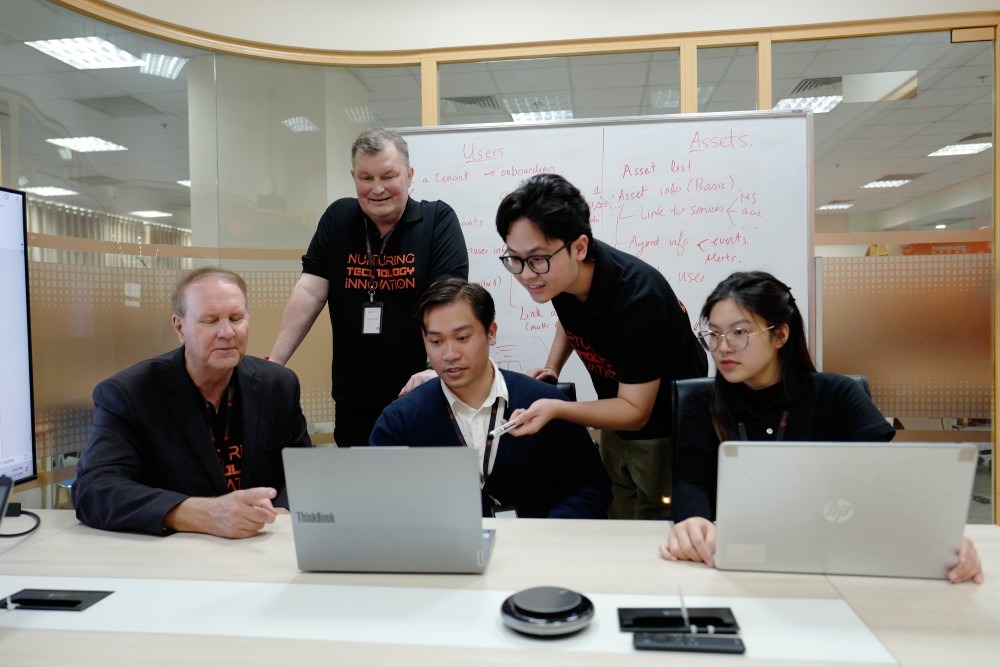
PowerGate Software is a global AI-Powered software product studio
Traditional outsourcing still has its place. For well-defined projects with stable requirements, it can be efficient and cost-effective. But for companies building digital products in competitive markets, the expectations are different. Speed, adaptability, and continuous improvement are critical. In these cases, a product studio approach, especially one enhanced by AI, offers a clear advantage. The decision is no longer just about who can build the product. It is about who can help the product succeed in the long run. In this new landscape, the winners will not be those who can deliver code. They will be those who can combine technology, product thinking, and AI to create products that learn, adapt, and thrive.